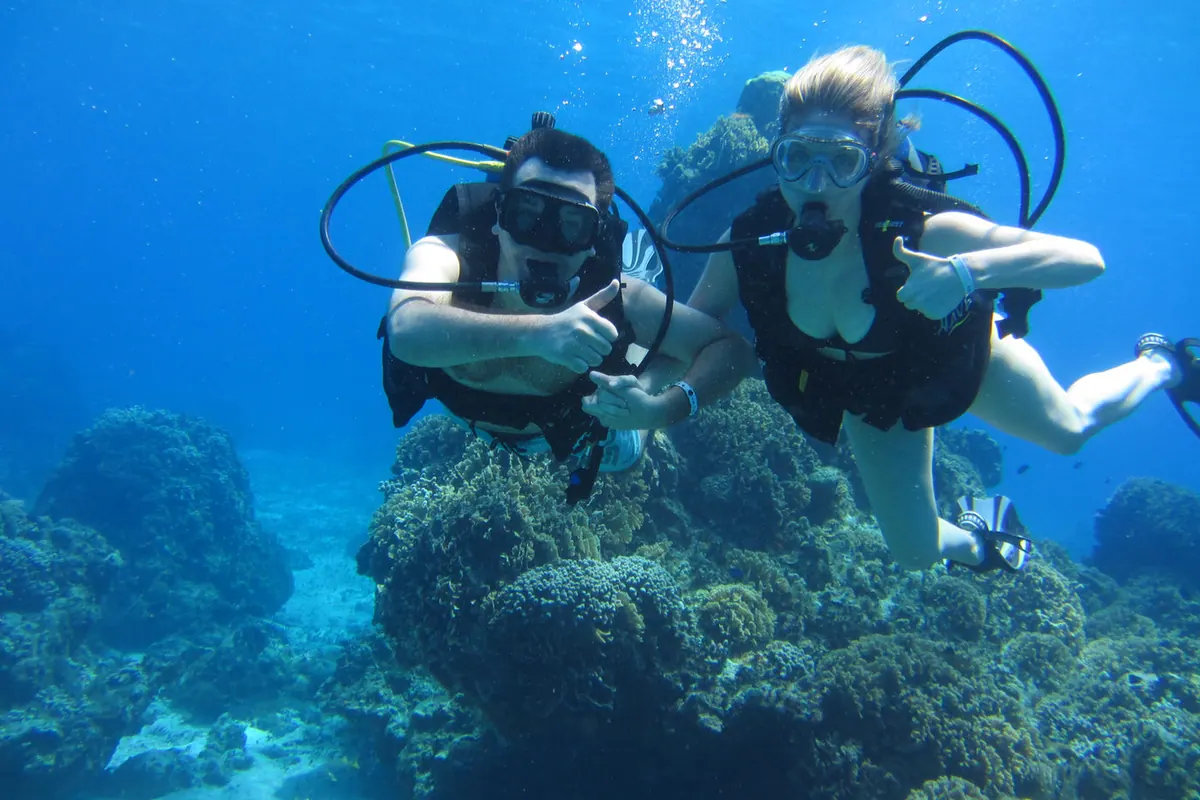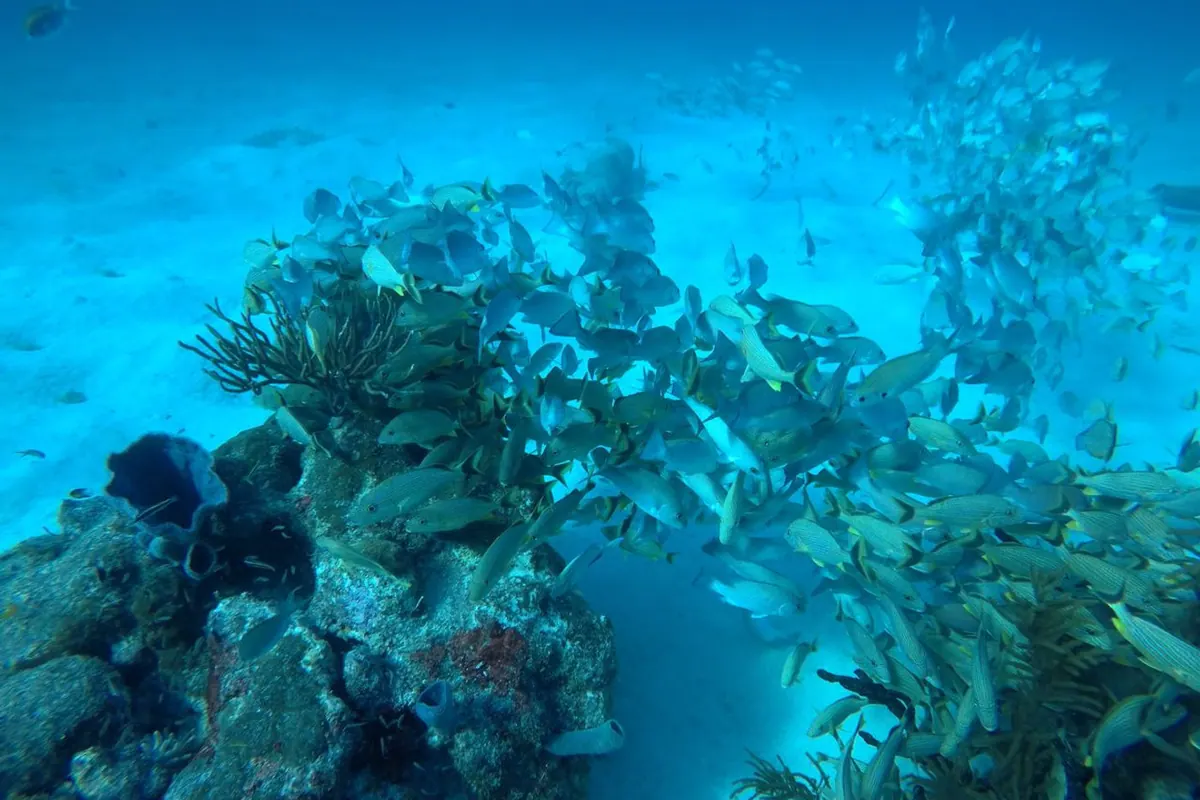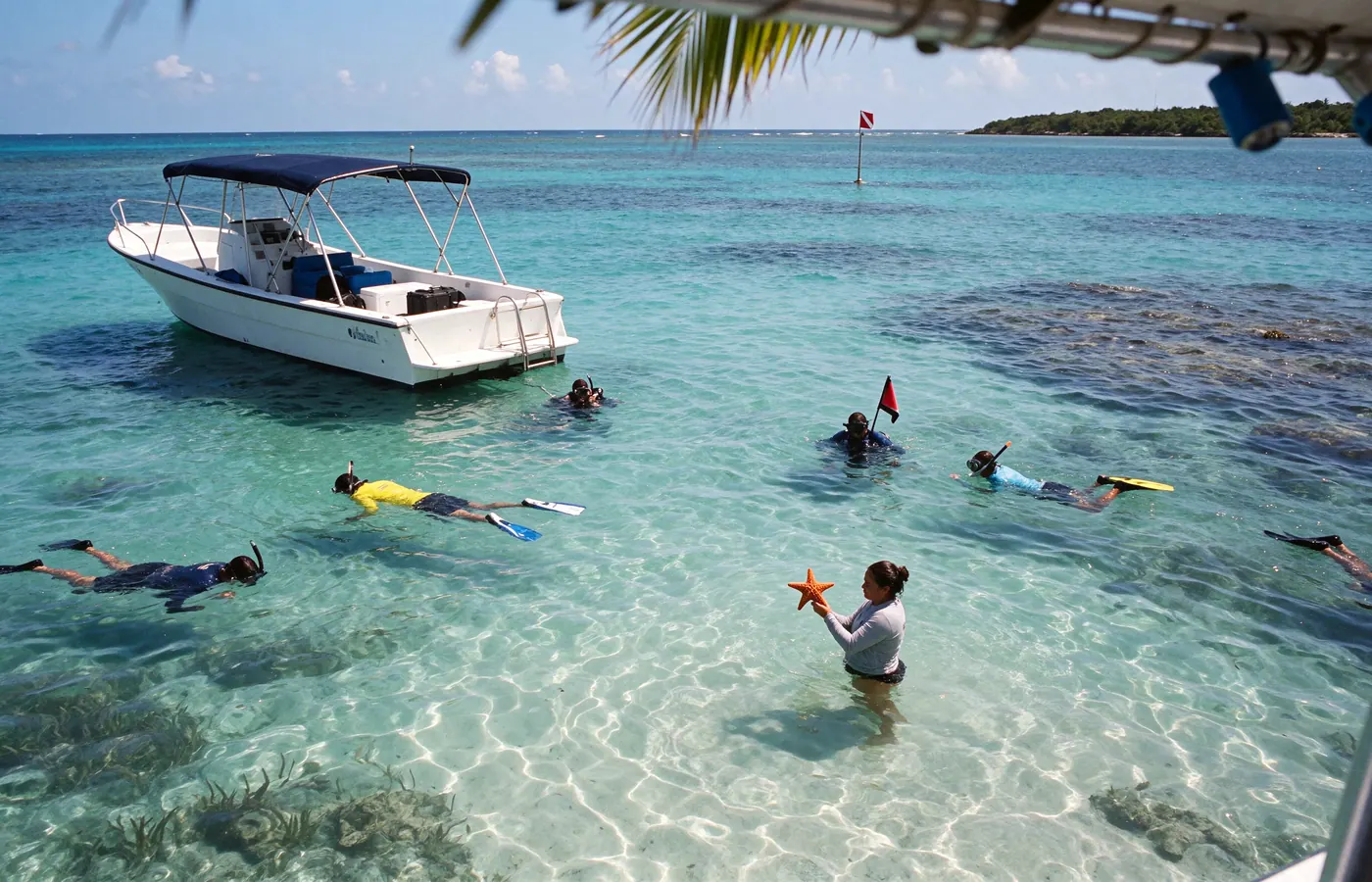
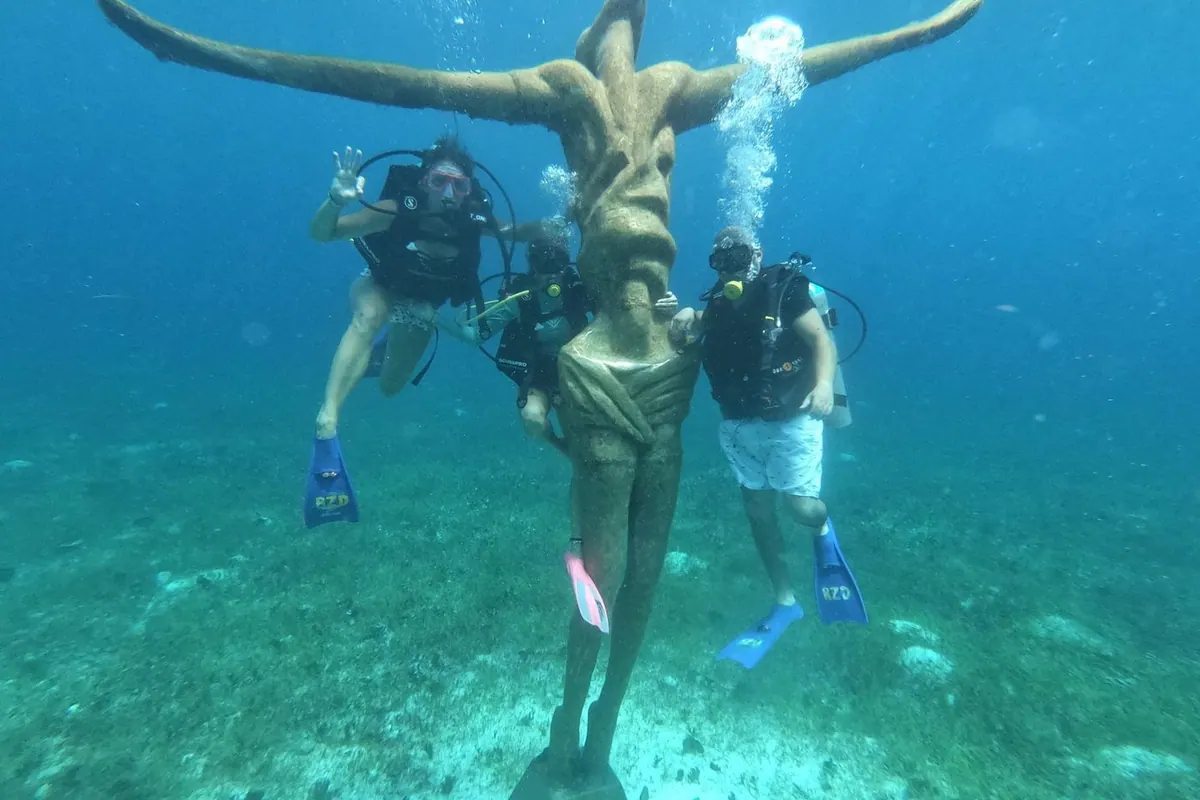
PADI and SSI are both widely recognized scuba-certification systems. An Open Water certification from either organization is generally accepted for dive travel and insurance, provided you meet the operator’s normal requirements. The practical difference is usually how the course is taught, how the online work is delivered, and which instructor or shop gives you the clearest support.
What both certifications let you do
Both programs teach the core skills you need to plan and complete recreational dives within your training. You learn equipment use, buoyancy, underwater communication, emergency responses, and dive planning. You complete knowledge work, confined-water practice, and open-water dives with an instructor.
Your certification card is not a promise that every dive is appropriate. A site can be too deep, too challenging, or too current for your recent experience. Dive operators may ask about your last dive, logged experience, or comfort level before recommending a route. That is normal for both PADI and SSI divers.
Course structure and e-learning
PADI courses commonly organize the academic work into knowledge development, quizzes, a final exam, confined-water sessions, and open-water training dives. SSI follows the same broad learning path, with digital academic material, instructor-led water sessions, and open-water training. The names and screens may differ, but the important result is the same: you must understand the material and demonstrate the skills in the water.
E-learning is useful when you want to study before arriving in Cozumel. Read each section carefully rather than treating the quizzes as a shortcut. You should know how to equalize, manage air, respond to a problem, and plan a dive before you put on a tank. A shop may also blend online work with a classroom conversation, especially when an instructor needs to explain a point in a local diving context.
Cost varies by shop, not just by brand
There is no universal PADI price or SSI price. Cost varies with the dive center, location, course format, equipment, number of training sessions, and what the package includes. Ask whether e-learning, gear, park or boat fees, certification processing, and instructor time are included. Two quotes with the same brand name can cover different services.
The cheapest option is not automatically the best value. Compare the schedule, class size, water conditions, language support, and what happens if you need more practice. Clear answers before you start are more useful than a brand label alone.
Out-of-air ascent procedures are taught differently
PADI teaches a controlled emergency swimming ascent for a situation in which you are out of air and cannot reach a gas-sharing buddy. In plain terms, you make a controlled ascent while exhaling or making an appropriate sound so expanding air can leave your lungs. This is a contingency skill, not a routine way to finish a dive.
SSI teaches a shared-air ascent as its primary response to an out-of-air situation. You use an alternate air source from another diver and ascend together while staying in contact. Both procedures are taught within a broader emergency plan that starts with prevention, checking your pressure, and signaling early. Follow the procedure your instructor teaches and practice it until the response is familiar.
Level names and crossover rules
The entry-level card is commonly called Open Water Diver in PADI materials and Open Water Diver in SSI materials, although shops may shorten the name to Open Water. At the next level, PADI uses Advanced Open Water Diver, while SSI uses Advanced Adventurer. The different name does not mean one is automatically a higher qualification.
Certification agencies generally recognize each other’s equivalent recreational levels. You do not normally need to repeat an entire Open Water course because you change agencies. A crossover or continuing course may include a review of skills and agency-specific material. Ask the new instructor what is required before enrolling, especially if you are moving from an entry-level card to an advanced course.
How to choose between PADI and SSI
- Choose the program your preferred local dive center teaches well. Instructor access and water time matter more than the logo.
- Choose the course schedule that lets you study without rushing and gives you enough time to practice.
- Ask for a complete list of inclusions, including equipment, certification fees, and any boat or facility costs.
- Ask which emergency procedures you will practice and request a plain-language explanation of anything unclear.
- Consider where you expect to continue diving. Both systems are widely recognized, but staying with the same shop can make record keeping simpler.
PADI and SSI can both lead to a sound Open Water foundation. Focus on a qualified instructor, realistic training conditions, clear communication, and the chance to leave the course confident in the skills rather than simply finished with the paperwork.