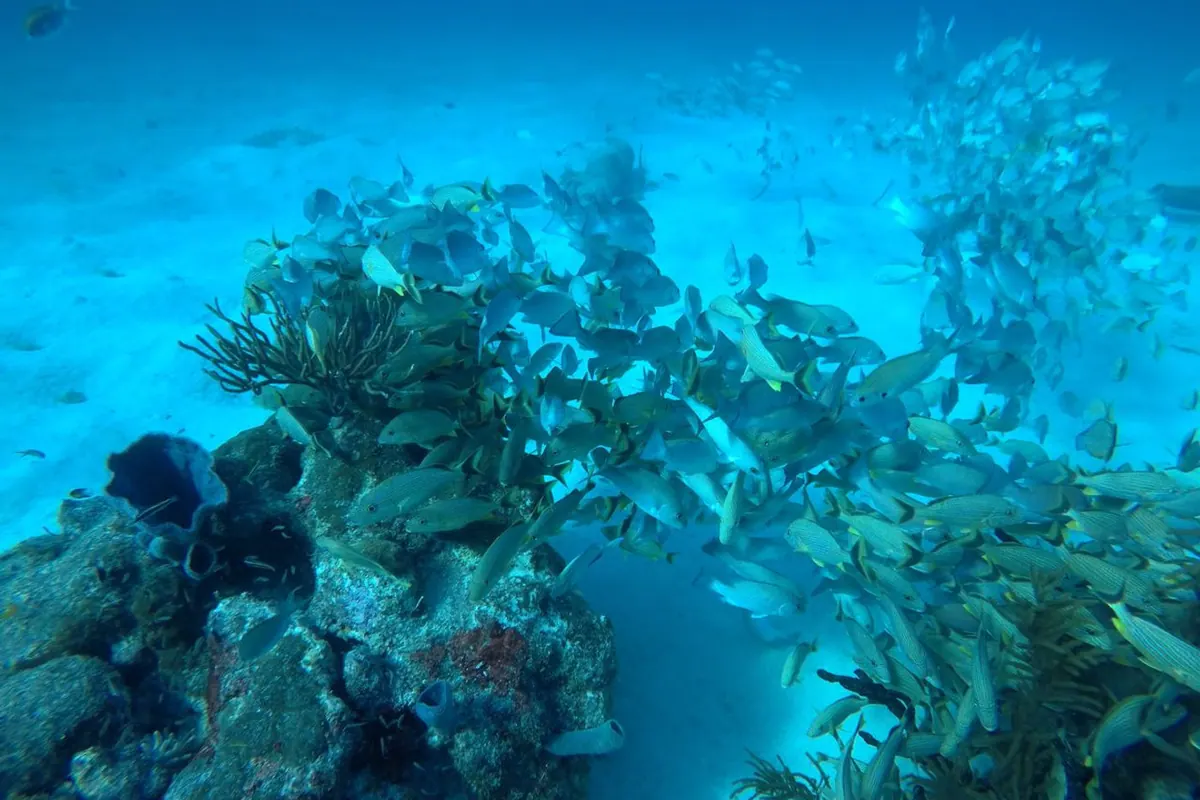
Cozumel has a dive site for almost every kind of diver, from a calm, shallow reef to a deep wall that demands experience. Most sites are drift dives, so you let the current carry you while your guide manages the route. The right choice depends on depth, comfort in current, and what you want to see: coral architecture, swim-throughs, a vertical drop-off, or an easy first look at the reef.
Palancar Reef: coral pinnacles and swim-throughs at 50–80 feet
Palancar Reef is a classic Cozumel boat dive because its coral formations create a varied route. Expect large pinnacles, passages through the reef, and changes in shape as you move with the current. Depths commonly range from about 50 to 80 feet, placing the site beyond the shallowest beginner routes.
The site suits certified divers who are comfortable controlling buoyancy near coral and who can monitor depth while moving through a changing landscape. Swim-throughs are not a race. Enter only when your guide indicates that the passage is appropriate, keep your fins away from the bottom, and leave room for the diver ahead.
Santa Rosa Wall: a vertical drop-off starting around 45 feet
At Santa Rosa Wall, the reef edge drops away from a route that starts at roughly 45 feet. The wall gives the dive a strong sense of open space, but the blue water below is a reason to stay disciplined with your depth and air checks. You can examine the upper reef before following the wall, rather than treating the drop-off as a target to descend toward.
This site is a better fit for a certified diver with solid buoyancy and depth awareness. If you are still learning to stay level without touching the reef, choose a shallower site first. A wall dive rewards a calm pace and a steady look at the reef edge.
Colombia Reef: shallower coral towers and calmer passages
Colombia Reef offers a shallower profile with coral towers, swim-throughs, and a calmer feel than the deeper wall sites. The reef structure gives you plenty to inspect without requiring the same depth commitment as Palancar or Maracaibo. It can be a good choice when you want reef scenery and passages at a more relaxed pace.
“Calmer” does not mean motionless. Cozumel’s current still carries divers along the site, and you should stay with your group. Colombia works well for newer certified divers who have completed training and want to build comfort on a guided boat dive.
Paradise Reef and Chankanaab Reef: accessible options
Paradise Reef is shallow and well suited to beginners who are ready for a guided dive. Its depth also makes it a practical setting for a night dive, when familiar reef shapes take on a different character and your light reveals small details. Stay close to your guide and use your light deliberately rather than sweeping it into another diver’s face.
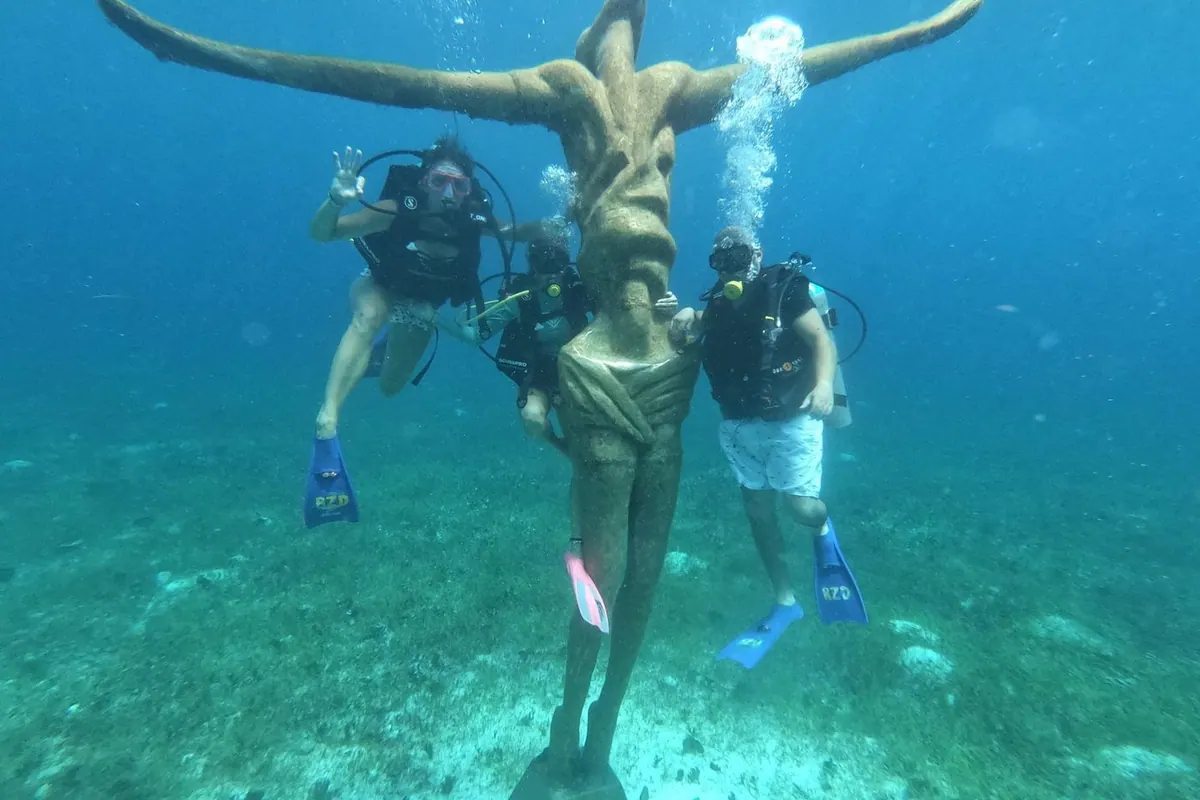
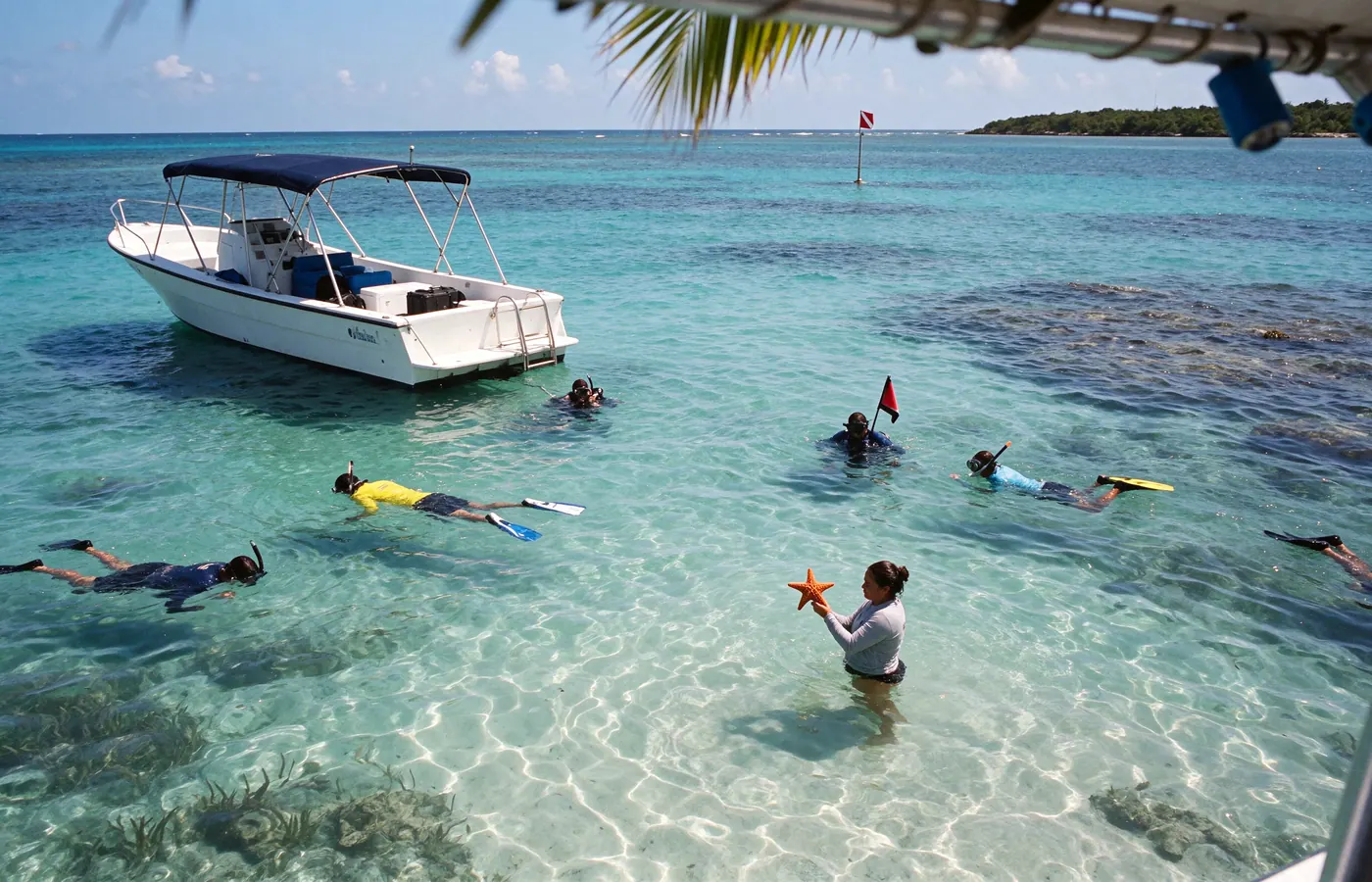
Chankanaab Reef is another accessible choice. It has a shore entry and is good for snorkellers as well as divers, so it can work for a mixed group. Inside the buoyed snorkel zone, the reef runs from under 9 feet to about 30 feet, with an average depth of about 20 feet. Underwater statues, including a bronze Virgin of Guadalupe and a Christ statue, sit around 20 feet. The shallow profile makes this site useful for a first reef look and for divers who want an easy exit plan.
Punta Tunich, Palancar Caves, and Maracaibo
Punta Tunich is associated with drift diving, so your comfort with current matters more than a desire to swim against it. Keep your body streamlined, make small adjustments, and let the guide set the pace. Palancar Caves adds more enclosed reef terrain and requires careful buoyancy. A passage is only enjoyable when you can keep your tank, fins, and hands off the coral.
Maracaibo is deep and belongs on the list for experienced divers. Depth changes the dive plan quickly: gas use increases, time at depth is limited by training and certification, and a small mistake in buoyancy can become a larger problem. If you have doubts about your depth experience, choose Colombia, Paradise, or Chankanaab instead.
Drift-diving etiquette in Cozumel
- Enter the water prepared. Check your mask, regulator, buoyancy device, and pressure before the group starts moving.
- Stay with your guide and buddy. The current is part of the route, not a reason to separate from it.
- Do not hold coral, stand on the reef, or kick against formations. Use controlled breathing and small fin movements.
- Keep a clear distance from other divers. Do not swim above a diver’s head or block a narrow passage.
- Signal early if you need to slow down, adjust gear, or end the dive. The safest drift is an organized one.
Which Cozumel site fits which diver?
For a beginner, Paradise Reef or the shallow sections of Chankanaab Reef offer a manageable starting point. For a newer certified diver wanting coral towers and swim-throughs without committing to the deepest profile, Colombia Reef is a sensible choice. Choose Palancar Reef when you want pinnacles and passages at 50–80 feet and already manage depth and buoyancy well. Pick Santa Rosa Wall for a controlled wall experience from about 45 feet. Punta Tunich suits a diver comfortable with current, Palancar Caves suits a diver confident in overhead-like passages, and Maracaibo is for experienced divers who are ready for deeper planning. The best site is not the most demanding one. It is the site that matches your training, comfort, and ability to stay calm in the current.